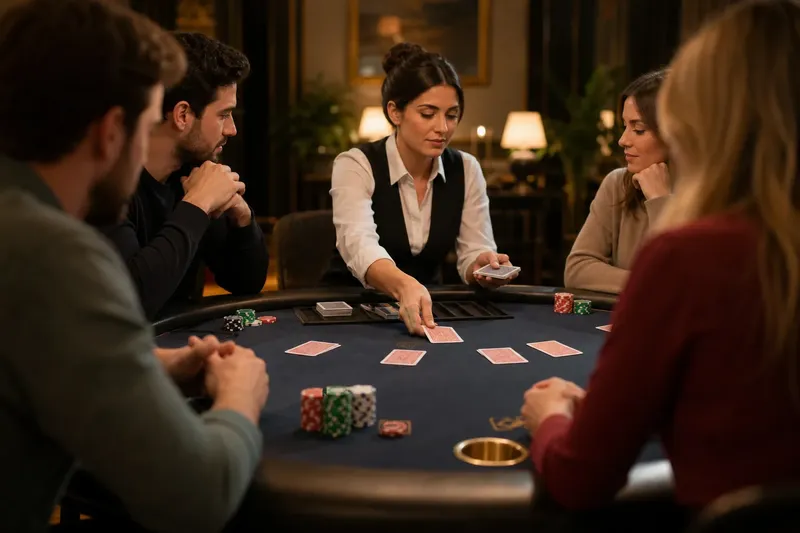
A Family Game Night with Casino Classics
Plan a family game night with casino classics using a flexible card menu, clear roles, and simple ways to join, watch, or switch activities without pressure.
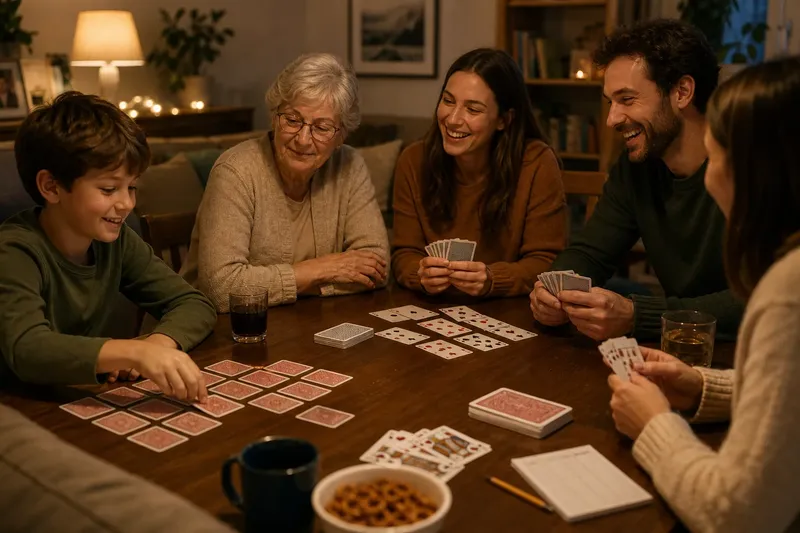
The common mistake in a family game night with casino classics is copying the casino’s sense of ceremony instead of borrowing only the cards. A formal dealer role, elaborate scoring, or a table everyone is expected to stay at can turn a casual visit into a performance. Keep the gathering centered on conversation, with games that can start, pause, or change direction easily.
Begin with a small selection of familiar card activities, then let the group’s energy decide what happens next. No-money play needs no betting language, prizes, or winner’s tally; it needs a deck, an understandable goal, and room for people to participate in different ways.
Choose casino classics that suit the gathering
Think about the kind of company you have. Some guests enjoy making decisions during a hand; others prefer quick turns, watching first, or chatting between rounds. Ask whether large-print cards, a quieter table, or a simpler game would make the evening more comfortable.
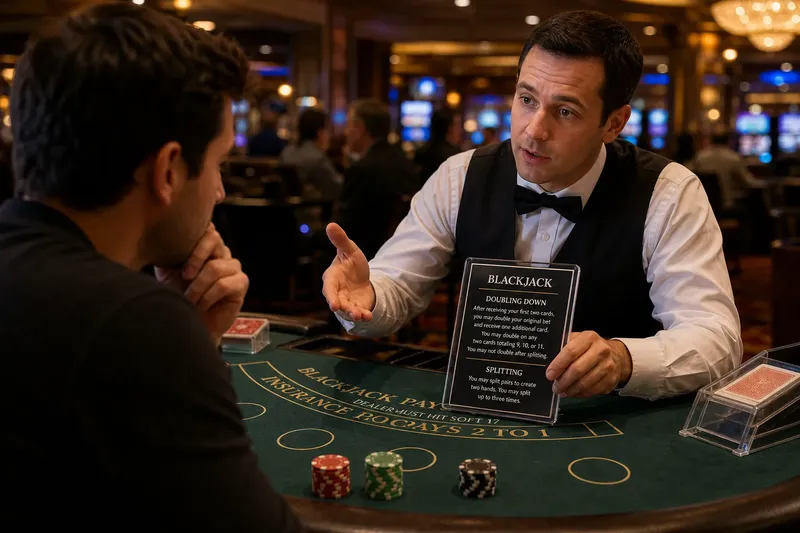
A matching game can offer a straightforward starting point. Blackjack can introduce choices such as taking another card or stopping. A poker variant can focus on recognizing combinations rather than competition. Pick one main game and keep another option nearby, rather than presenting guests with a long menu.
Keep the table visibly free of stakes. Cards are enough; if paper markers help distinguish turns or roles, say plainly that they have no value and are not exchanged for anything. The group can enjoy familiar casino vocabulary without recreating wagering customs.
Let guests join in more than one way
Make watching, dealing, or joining a later round ordinary options. A guest might follow the cards, read a turn aloud, or take a break without being assigned a job. Offer choices without drawing attention to who accepts them.
Make the physical setup comfortable, too. Large-print cards can help with small symbols, while a pencil and scrap paper can clarify a sequence of turns. Keep drinks away from the deck and leave enough table space for hands and cards.
Say you have invited a child who likes matching cards and an older relative who wants to observe before playing. You set out a matching game, place a large-print deck beside it, and explain that anyone may pass on a round. The child can match cards while the relative watches and later joins if interested; the tradeoff is less strategic variety in exchange for an easy shared starting point.
Make the table feel like a family gathering
Instead of asking everyone to keep score, notice a memorable hand, an unexpected match, or a funny interpretation of a card. Conversation can grow from the game without requiring anyone to compete or entertain the room.
Use familiar words only when they help. If a game includes terms such as “check,” “call,” or “fold,” explain the action in plain language, or choose a different version with simpler turns. No one needs to know casino terminology to enjoy a deck of cards together.
A short demonstration can show how a turn works, but leave room for questions as they arise. Experienced players can explain a choice without taking over another person’s hand. If the group would rather talk than play, put the cards aside and let the evening change shape.
Which setup makes a relaxed game night easier?
Which card game is easiest to explain?
A matching game with a standard deck is a gentle place to begin because its goal and turns can be stated plainly. If guests want more decisions, introduce blackjack or a poker variant after explaining the version you have chosen.
Can casino classics be played without chips?
Yes. Use cards alone, or use paper markers only to show turns or roles. Explain that markers have no value and are not exchanged for prizes.
How can experienced and new players share a table?
Show one sample turn and keep the instructions within reach. Let experienced players answer questions without rushing, and make watching before joining a normal option.
What can take the place of a winner’s prize?
Nothing needs to replace it. The group can share a favorite moment, finish a round, or move to snacks and conversation without ranking anyone.
Use a few simple checks to shape the evening
- Check the group’s appetite for decisions: If guests want to make choices during play, then start with blackjack; if they prefer simpler turns, then set out a matching game instead.
- Check whether small symbols are easy to see: If anyone would benefit from larger print, then use large-print cards; if standard cards are comfortable, then keep the regular deck available.
- Check how guests want to participate: If someone would rather watch first, then leave a seat open beside the table; if everyone wants to play, then begin a round together.
- Check whether the vocabulary feels natural: If casino terms create confusion, then translate each action into plain language; if they make the game easier to follow, then use them with a brief explanation.
- Check that the table has no apparent stakes: If markers could be mistaken for wagers, then remove them or explain their turn-taking purpose; if their purpose is clear, then leave them on the table.
- Check whether attention is shifting: If guests are ready for a break, then pause and offer another activity; if interest remains, then continue with another round.
These choices let the gathering take its character from the people in the room rather than from casino formality. A deck can be a reason to sit together, not a reason to stay at the table.
Leave room for the evening to change
When attention drifts, offer a break or another activity instead of pressing on to complete a planned run of rounds. Guests may want snacks, conversation, or time away from the table. Treat those choices as part of the evening, not as signs that someone has spoiled the game.
For a family game night with casino classics, the most useful preparation is knowing when to simplify: put out an accessible deck, explain the game in ordinary language, and let the group decide whether another round fits. The cards can stay in the box when conversation has become the better game.