The Lucky Seat: A Story, Not a Strategy
The lucky seat is a casino ritual, not an edge: learn how to choose a comfortable, courteous place without treating a familiar chair as a forecast.
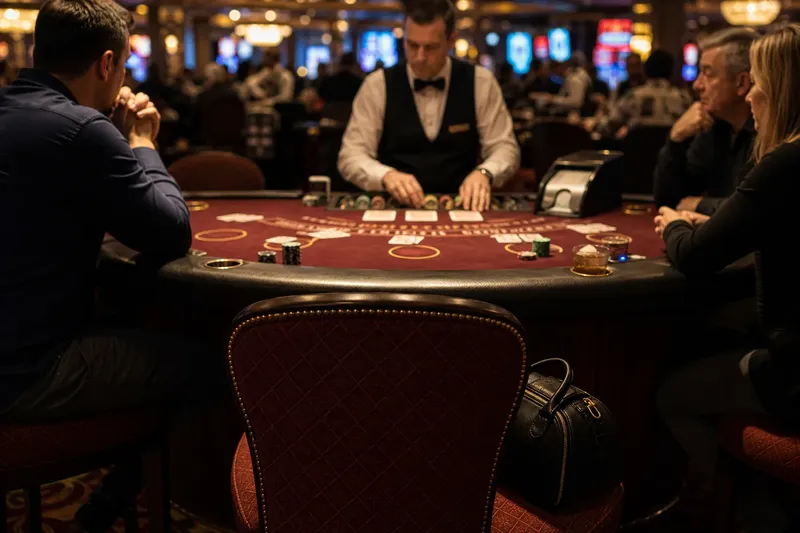
The common mistake with a lucky seat is treating a familiar chair as a forecast. A lucky seat can make a casino visit feel personal, but that belief can turn a fond ritual into a reason to chase a result.
A familiar seat gathers a story
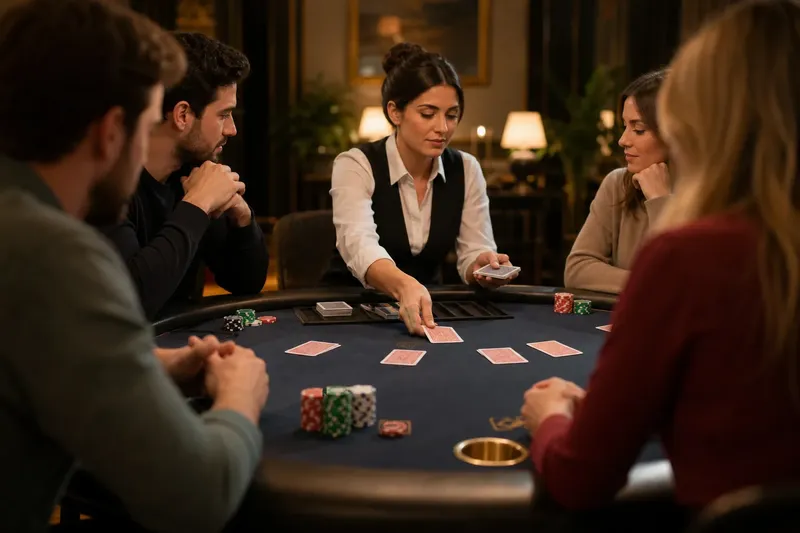
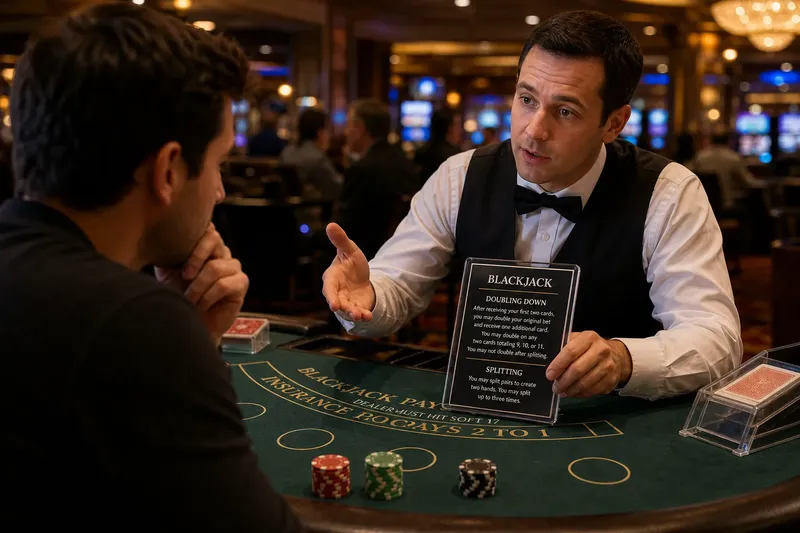
At a crowded table, a player may return to the chair where a memorable hand happened. Another may prefer the end of a blackjack table because the dealer’s patter is easy to hear there. Over time, a plain chair can become attached to an event, a mood, or someone who once occupied it.
That association can matter without serving as evidence. A place can cue a memory, much like a song or a familiar café. Casino folklore gives such seats a reputation, but the story belongs to the people around the table, not to the chair itself.
Choose a lucky seat for practical reasons
A seat can affect ordinary conditions: your view of the cards, how clearly you hear the dealer, and whether passersby interrupt you. Those differences can shape comfort and attention. They do not make a random result favor the person sitting there.
Rules and choices do shape how a game unfolds. In blackjack, a player’s decisions affect that player’s hand. In games with shared or sequential action, turn order can affect what information is available or which choices remain. These are features of the game, not a chair’s luck.
Use practical checks when you choose where to sit:
- Check whether the table is open and the dealer has invited new players. If it is open, ask to join; if not, wait or choose another table.
- Check whether the lighting and sightlines let you see the cards or displays. If they do, the position works; if they do not, ask about another available seat.
- Check whether your bag fits without entering another player’s space or the playing area. If it does, keep it beside you; if not, stow it elsewhere.
- Check whether you can hear instructions and follow the action without leaning across the table. If you can, stay; if not, ask to move or choose another place.
- Check whether your preference comes from comfort or a memory rather than a prediction. If it is comfort or memory, enjoy the ritual; if you expect a win, pause and choose by practical needs instead.
- Check whether the rules explain the order of play and any choices tied to position. If they do, follow them; if they are unclear, ask the dealer before joining.
Say you remember relaxed hands at the end of a blackjack table. You check that the seat is open, confirm you can hear the dealer, and see that your bag fits without crowding anyone. You ask to join and take the seat when invited. The result is a comfortable place with a clear view; the cards remain outside the chair’s influence.
Memory makes the ritual persuasive
Vivid moments stay in mind more readily than uneventful ones. If a player wins after moving seats, the move can feel like the cause. A later loss may be explained away by blaming the dealer, the table’s mood, or a change in luck. The story can absorb almost any result.
Routine can still be comforting. Returning to one chair removes a small choice and gives a visit a familiar shape. Feeling more at ease is a real part of the experience, but it is different from having an advantage.
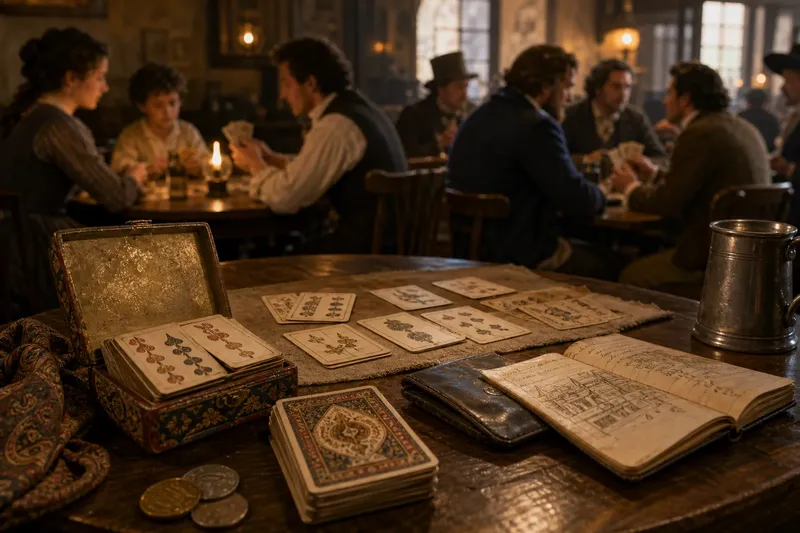
Shared stories keep the custom alive. When someone says, “That seat treated me well,” another player may try it. Heard as table folklore, the remark can be a light exchange rather than a prediction or advice.
What do players ask about a lucky seat?
Does a lucky seat change the odds?
No. A chair does not direct the random process of a properly operated game. It may change what you can see or hear, which is a practical difference rather than a source of luck.
Can a seat affect decisions at a card table?
In some games, turn order affects which choices are available or what information a player has. That effect comes from the rules and order of play, not from the seat being lucky.
Why do players return to the same chair?
Familiarity can be comforting, and a seat may hold a pleasant memory or offer a clear view. Those are reasonable preferences without being an advantage in chance.
Is it harmless to keep a lucky-seat ritual?
A ritual can remain a personal custom if it does not lead you to chase losses, spend beyond a limit you have chosen, or pressure someone else to move. Keep the story separate from any expectation that a result is due.
Keep the memory separate from the forecast
Casino culture has room for customs that make a table feel familiar. A preferred chair can hold a memory, make conversation easier, or simply feel comfortable. Let those meanings remain personal rather than treating them as a strategy.
When choosing a lucky seat, focus on comfort, visibility, and courtesy. If you find yourself looking for a lucky seat because a past result feels unfinished, step away from the table and reconsider before playing again. The chair can keep its story without being asked to predict what happens next.